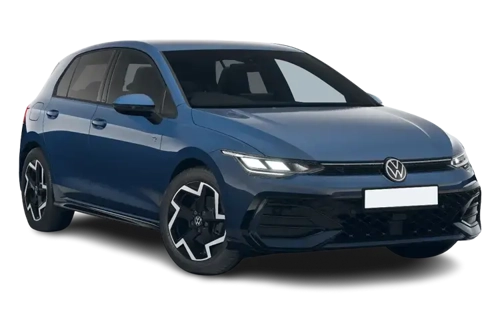
Should I Lease or Buy a Car?
Deciding whether to lease or buy a car comes down to what matters most to you. Buying can make more financial sense if you want to keep the vehicle for several years. Leasing could be the better option if you enjoy driving a newer car, want predictable monthly payments and would rather avoid the hassle of selling it later.
There is no single answer that works for everyone. Your annual mileage, monthly budget, driving habits and how often you change cars should all influence your decision.
Here is a straightforward comparison to help you choose.
What is car leasing?
Car leasing is a long-term rental agreement. You choose a vehicle, agree your contract length and annual mileage, pay an initial rental and then make fixed monthly payments.
Most personal car lease agreements last for two, three or four years. At the end of the contract, you return the vehicle to the leasing company.
You will not normally own the car and there is no automatic option to buy it at the end of the agreement.


What are the benefits of leasing a car?
Drive a newer vehicle
Leasing makes it easier to change your car regularly. You can benefit from newer technology, improved safety equipment, better fuel efficiency and the latest electric vehicle developments.
Fixed monthly payments
Your monthly rental is agreed at the beginning of the contract. This can make budgeting easier, although you will still need to account for insurance, servicing, maintenance and running costs unless these are included.
Manufacturer warranty protection
A new lease vehicle will normally be covered by its manufacturer’s warranty for most or all of the contract. This can reduce the risk of unexpected repair bills, subject to the warranty’s terms and exclusions.
No resale worries
You do not need to advertise the car, negotiate with buyers or worry about its future resale value. Once the agreement finishes, you return it in line with the funder’s collection process.
Access to competitive vehicle offers
Lease prices are influenced by vehicle discounts, expected depreciation and predicted resale values. This means certain models can sometimes be leased for less than you might expect.
What should you consider before leasing?
Leasing offers convenience, but it also comes with contractual commitments.
You will need to agree an annual mileage limit. If you exceed it, an excess-mileage charge will normally apply when the vehicle is returned.
The car must also be returned in an acceptable condition. Normal use is expected, but charges may apply for damage that falls outside the relevant fair wear and tear guidelines.
Ending a lease early can be expensive and requires the funder’s agreement. You should therefore be confident that the monthly rental and contract will remain suitable for your circumstances.
You may also need to arrange servicing, replacement tyres and routine maintenance unless you add an appropriate maintenance package.
What are the benefits of buying a car?
You own the vehicle
If you buy a car outright, it belongs to you immediately. When purchasing through a finance agreement, ownership will depend on the type of agreement and whether all required payments have been made.
Once you own the vehicle, you can keep it, sell it or part-exchange it when you choose.
No contractual mileage allowance
You can drive as many miles as you need without paying an excess-mileage charge. Higher mileage can still reduce the car’s resale value and increase servicing and maintenance costs.
Greater freedom
An owned vehicle can generally be modified, sold or retained without the return conditions associated with leasing.
It may cost less over the long term
Buying a dependable car and keeping it for many years can be more economical than repeatedly changing to a new vehicle. Once any finance has been repaid, you can continue driving it without monthly finance or lease payments.
What are the disadvantages of buying?
Cars are depreciating assets. A new vehicle can lose a significant proportion of its value during its first few years, and the owner carries that financial risk.
Buying also requires either a substantial upfront payment or a suitable finance agreement. Interest and other charges can increase the overall amount payable when finance is used.
As the car becomes older, it may also require more maintenance and could eventually fall outside its manufacturer’s warranty.
When you decide to change it, you will be responsible for selling or part-exchanging the vehicle.
Is leasing or buying cheaper?
Buying is often cheaper over the long term if you purchase wisely and keep the vehicle for several years. Leasing can be more cost-effective for someone who would otherwise buy a brand-new car and replace it every two or three years.
Do not compare the monthly payments alone. Consider the complete cost of each option, including:
- Initial payment or deposit
- Monthly rentals or finance payments
- Interest and arrangement fees
- Servicing and maintenance
- Replacement tyres
- Vehicle excise duty
- Insurance
- Depreciation
- Potential excess-mileage or vehicle-condition charges
- The vehicle’s estimated value at the end of your comparison period
A low monthly payment does not necessarily mean the lowest total cost.
Leasing may suit you if:
- You like changing your car every two to four years
- You want to drive a newer vehicle
- You prefer predictable monthly payments
- You can estimate your annual mileage accurately
- You are comfortable not owning the car
- You want to avoid selling or part-exchanging it later
Buying may suit you if:
- You want to keep your car for five years or longer
- You want to own an asset
- Your mileage is high or unpredictable
- You do not want vehicle-return restrictions
- You want the freedom to sell or modify your car
- Reducing the long-term cost is more important than regularly changing vehicles
Should I lease an electric car?
Leasing can be particularly attractive for electric vehicles because the technology is developing quickly. A shorter contract allows you to use a current model without committing to owning it for many years.
However, you should still consider the vehicle’s real-world range, charging arrangements, insurance costs and whether an electric car fits your regular journeys.
Buying an electric car may suit drivers who are confident that the vehicle will continue meeting their needs over the longer term.
Our honest verdict
Buy a reliable car and keep it for several years if your main objective is to minimise the total cost of motoring.
Consider leasing if you value convenience, manufacturer warranty cover, predictable payments and the opportunity to change your car regularly.
Neither option is automatically better. The right decision is the one that comfortably fits your finances and how you actually use a car.
Find your next car with NVS
National Vehicle Solutions can help you compare personal and business car leasing offers across a wide selection of vehicles. We will explain the initial rental, monthly cost, mileage allowance and important contract conditions clearly before you proceed.
Explore our latest car lease deals online or call 0191 250 4265 to discuss what you need.
National Vehicle Solutions — Vehicle Leasing Made Simple
Vehicle leasing is subject to status, eligibility and availability. Terms and conditions apply. You will not own the vehicle. Excess-mileage and vehicle-condition charges may apply. Early termination requires the funder’s agreement and can be expensive.